Wordmark vs. Icon vs. Combination Logos: Which to Pick?
Choosing the right logo type is crucial for brand identity. This guide breaks down wordmark, icon, and combination logos, helping you understand their strengths and weaknesses to make an informed deci
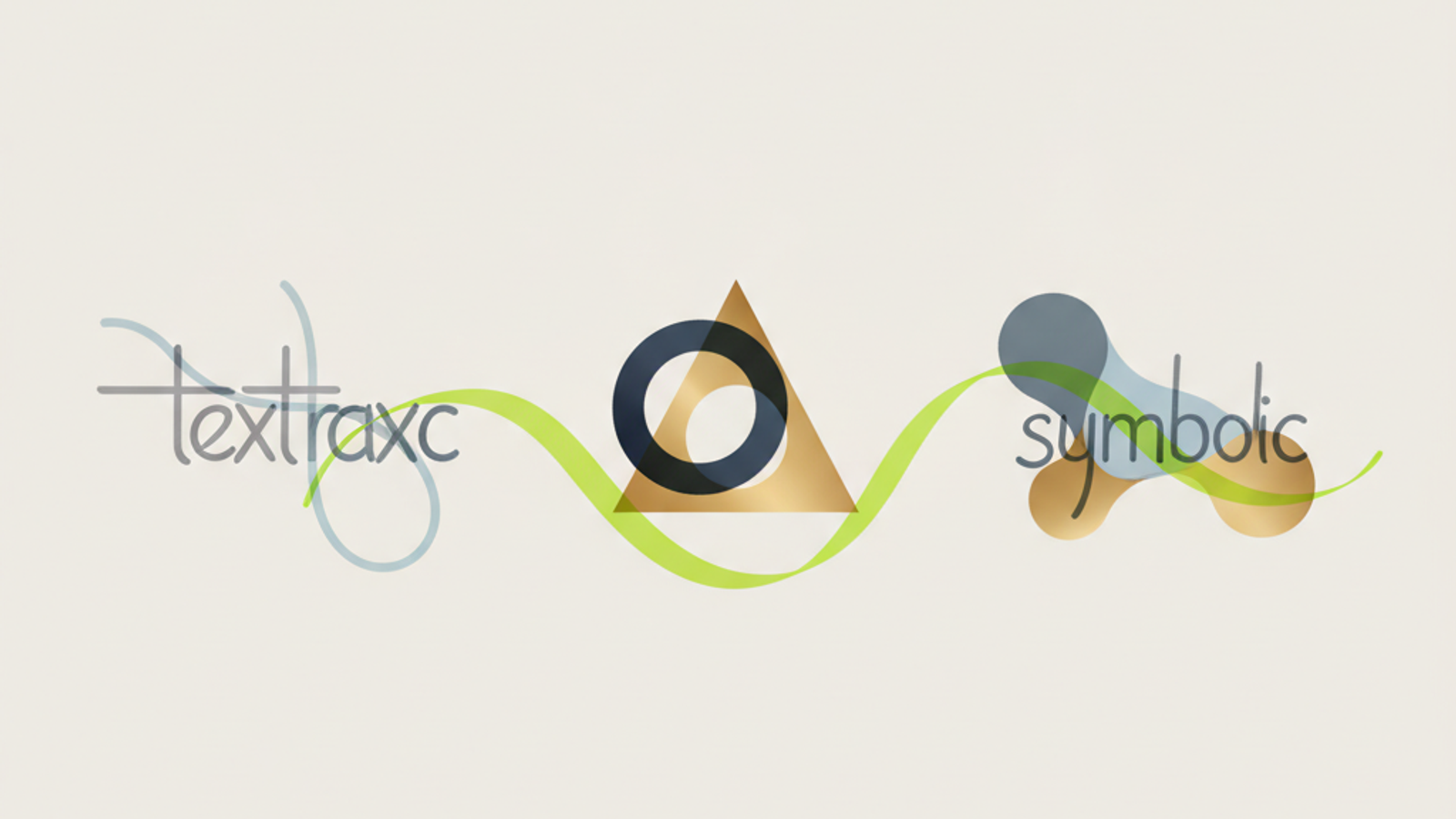
Your logo is the cornerstone of your brand identity, often the first visual impression a customer has of your business. But with so many options, how do you pick the right one? The decision often comes down to three main types: wordmark, icon (or pictorial mark), and combination logos. Each has unique strengths and weaknesses, making them suitable for different businesses and branding goals.
Understanding these differences and how they apply to your specific situation is key to creating a memorable and effective brand presence. This guide will walk you through each type, helping you make an informed choice that resonates with your brand's essence and appeals to your target audience.
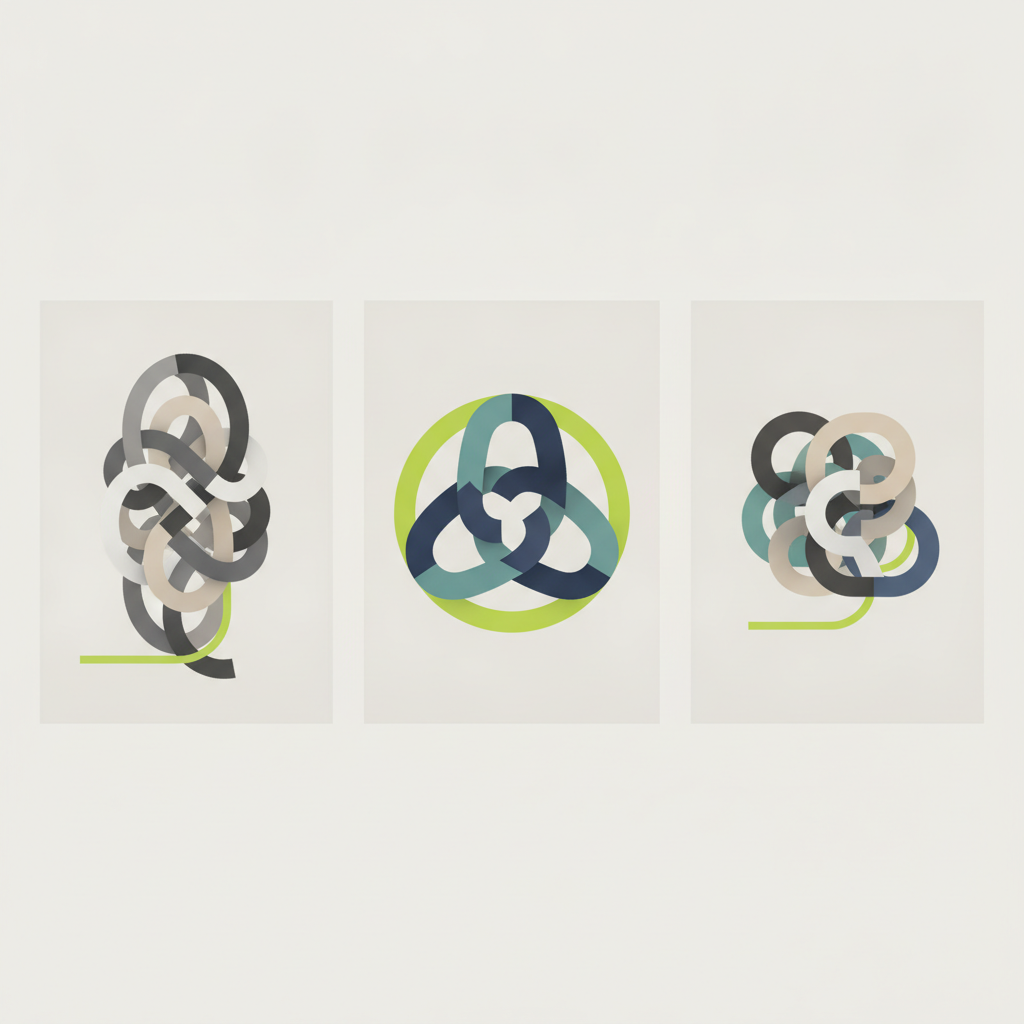
Understanding Logo Types
Wordmark Logos
A wordmark logo, also known as a logotype, is a text-only logo that focuses entirely on the company's name. It uses unique typography, font styles, and sometimes color to create a distinct visual identity directly from the brand name itself. Think of brands like Google, Coca-Cola, or FedEx – their logos are their names, artfully designed.
Pros:
- Clear and Direct: Instantly tells people your company's name, which is especially beneficial for new businesses or those with unique names.
- Strong Typography Focus: Allows for a strong emphasis on font choice, which can convey personality (e.g., playful, serious, modern, classic).
- Easy Recognition: Without an abstract symbol, there's no ambiguity about what the logo represents.
- Versatile in Text-Heavy Contexts: Works well in situations where text is already prominent.
Cons:
- Limited Visual Storytelling: Relies solely on text, potentially offering less visual impact or storytelling capability compared to a symbol.
- Can Be Lengthy: If your company name is long, a wordmark might become unwieldy or hard to read at small sizes.
- Less Memorable Visually: While the name is clear, it might not be as instantly recognizable or globally understood as a strong symbol.
When to Pick a Wordmark:
- Your company name is unique, short, and memorable.
- You want to build strong name recognition quickly.
- Your brand personality can be effectively conveyed through typography alone.
- You're a new business and need to clearly state your name without relying on a symbol that users don't yet associate with you.
Icon/Pictorial Mark Logos
An icon logo, or pictorial mark, is a graphic-only logo that uses a symbol or image to represent the brand. These logos are often instantly recognizable, even without text, and aim to convey a message, value, or aspect of the brand through a visual metaphor. Examples include Apple's apple, Nike's swoosh, or Twitter's (now X's) bird.
Pros:
- Highly Memorable: Symbols are often easier for the human brain to process and remember than text.
- Global Recognition: A well-designed symbol can transcend language barriers, making it ideal for international brands.
- Versatile and Adaptable: Can be used effectively across various platforms and sizes, from app icons to billboards.
- Strong Storytelling Potential: A symbol can evoke emotions, tell a story, or represent complex ideas in a simple image.
Cons:
- Requires Brand Recognition: Without text, an icon needs time and marketing effort for people to associate it with your brand.
- Can Be Abstract: If the symbol isn't immediately clear, it might confuse new audiences.
- Potential for Misinterpretation: The meaning of a symbol can vary across cultures.
When to Pick an Icon Logo:
- You are an established brand with high recognition, or have the marketing budget to build recognition for your symbol.
- Your brand has a strong, clear concept or value that can be easily represented visually.
- Your company name is very long, generic, or difficult to pronounce, making a symbol a better primary identifier.
- You aim for international appeal where text might be a barrier.
Combination Logos
A combination logo, as the name suggests, combines both a wordmark and an icon. This is arguably the most popular and versatile type of logo, offering the best of both worlds. The text and symbol can be integrated or placed side-by-side, but they are designed to work together as a cohesive unit. Famous examples include Adidas, Starbucks, and Amazon.
Pros:
- Maximum Clarity and Recognition: You get the direct identification of a wordmark and the memorability of an icon.
- Versatility: Allows for flexible usage. When brand recognition grows, the symbol can sometimes be used independently (e.g., Starbucks' siren).
- Strong Brand Story: The symbol can visually reinforce the message conveyed by the brand name.
- Complete Identity: Provides a comprehensive visual identity from the start.
Cons:
- Can Be More Complex: Requires careful design to ensure both elements work harmoniously without clutter.
- Potentially Less Minimalist: Might not be as sleek as a pure wordmark or icon if not expertly designed.
When to Pick a Combination Logo:
- You want both clear name recognition and a strong visual identifier from day one.
- You need flexibility in how your logo is used across different mediums and sizes.
- Your brand has a story or concept that benefits from both textual and symbolic representation.
- This is often the safest and most effective choice for most small and medium-sized businesses.
Choosing the Right Logo for Your Business
Making the final decision requires careful consideration of several factors unique to your brand.
Consider Your Brand Name
- Short, Unique Name? A wordmark might be ideal (e.g., Google). If it's short but common, an icon or combination can help differentiate.
- Long or Descriptive Name? An icon or combination logo can provide a concise visual shorthand (e.g., National Geographic uses a yellow rectangle).
- Abstract or Invented Name? A wordmark helps establish the name, while an icon can give it meaning.
Think About Your Industry
- Traditional Industries (Law, Finance): Often lean towards sophisticated wordmarks or classic combination marks to convey trust and professionalism.
- Tech or Creative Industries: May prefer abstract icons or modern wordmarks to signal innovation and uniqueness.
- Service-Based Businesses: Often benefit from combination logos that clearly state their name while offering a friendly visual.
Your Target Audience
Consider what resonates with your customers. Are they drawn to classic elegance, playful imagery, or straightforward clarity? Your logo should speak their visual language.
Versatility and Adaptability
Think about where your logo will appear: website, social media, app icon, business cards, merchandise, signage. A good logo should be legible and impactful at all sizes and across various platforms. A complex combination logo might struggle in a small app icon, while a simple icon might lack context on a first-time viewing.
Future Growth
Will your chosen logo type scale with your business? If you plan to expand internationally, an icon or a combination logo with a strong symbol can be more effective than a purely text-based logo in diverse linguistic contexts.
The Design Process and Tools
Once you have a clear idea of which logo type suits your business, the next step is design. While hiring a professional designer offers tailored expertise, small business owners often start with more accessible options. Tools like Lumance's AI logo maker can be invaluable for exploring different logo types, fonts, symbols, and color palettes quickly and affordably. They allow you to experiment with wordmarks, icons, and combinations, seeing how your brand name and chosen visuals come together before committing to a final design. This iterative process helps refine your vision and ensures your logo effectively communicates your brand identity.
Choosing between a wordmark, icon, or combination logo is a foundational branding decision. By carefully considering your brand name, industry, audience, and future goals, you can select a logo type that not only looks great but also effectively communicates who you are and what you stand for. Experiment with different concepts and see what truly captures your brand's essence.
Ready to explore your logo options? Try Lumance to bring your vision to life.