How to Design a Logo for a Dropshipping Business
Designing a strong logo is crucial for a dropshipping business to build trust and stand out. This guide covers the essential steps and principles to create a memorable brand identity.
A logo might seem like a secondary concern when you're focused on sourcing products, setting up your store, and driving traffic for your dropshipping business. However, a well-designed logo is far more than just a pretty picture; it's the cornerstone of your brand identity, especially in a competitive market where trust and recognition are paramount.
Unlike traditional retail, dropshipping means you don't physically handle products. This makes your brand — and its visual representation, your logo — even more critical for building credibility and fostering customer loyalty. Your logo is often the first interaction a customer has with your business, appearing on your website, social media, advertisements, and even order confirmations. It communicates professionalism, values, and what customers can expect from you.
Understanding Your Dropshipping Niche and Audience
Before you even think about shapes and colors, you need a clear understanding of your business's core. Who are you selling to, and what problem are you solving for them? Dropshipping businesses often thrive in specific niches, and your logo should reflect that specialization.
- Define Your Niche: Are you selling eco-friendly products, tech gadgets, pet supplies, fashion accessories, or something else entirely? Your niche will dictate the overall tone and style of your logo.
- Identify Your Target Audience: Who are your ideal customers? Consider their demographics (age, gender, location) and psychographics (interests, values, lifestyle). For example, a logo for a luxury pet supplies store will look very different from one for budget-friendly tech accessories for students.
- Establish Your Brand Personality: What emotions or feelings do you want your brand to evoke? Is it playful, serious, elegant, rugged, innovative, or trustworthy? Your logo should be a visual representation of this personality.
For instance, if you're selling minimalist home decor, your logo might lean towards clean lines, neutral colors, and simple typography. If your niche is vibrant, quirky fashion, you might opt for bolder colors and more expressive shapes.
Key Principles of Effective Logo Design for Dropshipping
Regardless of your niche, certain design principles apply to all effective logos. These are especially important for dropshipping brands that need to quickly establish trust and memorability.
- Simplicity: A simple logo is easy to recognize, remember, and reproduce across various mediums. Overly complex designs can look cluttered and lose impact, especially at smaller sizes.
- Memorability: Your logo should stand out and be easily recalled. This often goes hand-in-hand with simplicity and originality.
- Versatility: Your logo needs to work everywhere: on your website favicon, social media profiles, product images, email signatures, and even potentially on packaging inserts or thank-you notes. It should look good in different sizes, colors (full color, black and white), and orientations.
- Timelessness: Aim for a design that won't look dated in a few years. Avoid trendy fonts or graphic elements that might quickly fall out of fashion. Classic designs endure.
- Relevance: The logo should be appropriate for your industry and target audience. A logo for a children's toy store will naturally be different from one for a B2B SaaS company.
- Originality: Your logo should be unique to your brand, helping you differentiate from competitors and avoid confusion. Researching competitors' logos can help you identify what to avoid and where to find your unique visual voice.

Elements of a Dropshipping Logo
Understanding the different components of a logo can help you make informed design choices.
1. Logo Styles
- Wordmarks (Logotypes): Text-only logos using a distinctive font (e.g., Google, Coca-Cola). Great if your brand name is unique and memorable.
- Lettermarks (Monograms): Initial-based logos (e.g., IBM, HP). Useful for businesses with long names.
- Brandmarks (Pictorial Marks): Icon-based logos (e.g., Apple's apple, Nike's swoosh). Strong if the image clearly represents your brand.
- Abstract Marks: A specific type of brandmark that is abstract and doesn't represent a recognizable object (e.g., Adidas's three stripes). Can convey a feeling or concept.
- Mascots: Illustrated characters (e.g., KFC's Colonel Sanders). Can create a friendly, approachable brand.
- Combination Marks: A combination of a wordmark and a brandmark/pictorial mark (e.g., Lacoste, Burger King). Offers flexibility and strong recognition.
- Emblems: The name and symbol are intertwined within a shape (e.g., Starbucks). Creates a traditional, established feel.
For dropshipping, combination marks or wordmarks are often excellent choices. A wordmark ensures your brand name is prominent, while a combination mark allows for both textual and symbolic recognition, which is great for digital platforms where space can be limited.
2. Typography
The font you choose speaks volumes about your brand. Serif fonts (with small decorative strokes) often convey tradition, elegance, or trustworthiness (e.g., Times New Roman). Sans-serif fonts (without strokes) tend to appear modern, clean, and minimalist (e.g., Helvetica, Arial).
- Readability: Ensure your chosen font is easy to read at all sizes.
- Personality: Does the font align with your brand's personality? A playful font for a serious business would be a mismatch.
- Hierarchy: If using multiple fonts, ensure there's a clear hierarchy (e.g., one for the brand name, another for a tagline).
3. Color Palette
Colors evoke emotions and associations. Choose colors that resonate with your brand's personality and target audience.
- Blue: Trust, reliability, professionalism (common in tech, finance).
- Green: Nature, growth, freshness, health (eco-friendly products).
- Red: Energy, passion, urgency (food, entertainment).
- Yellow: Optimism, cheerfulness, warmth.
- Orange: Creativity, enthusiasm, friendliness.
- Purple: Luxury, sophistication, creativity.
- Black: Power, elegance, sophistication (luxury goods).
- White: Purity, simplicity, cleanliness (minimalist brands).
Consider color psychology and how different colors might influence customer perception. Aim for a palette of 1-3 primary colors for your logo.
4. Imagery and Iconography
If you opt for a brandmark or combination mark, the icon should be simple, relevant, and unique. Avoid overly generic stock icons. Think about what visual metaphor best represents your niche or brand value. For a dropshipping business, abstract shapes, simple geometric forms, or subtle nods to e-commerce, global reach, or the product category can work well.
Practical Steps to Design Your Dropshipping Logo
1. Research and Inspiration
- Competitor Analysis: Look at logos of successful dropshipping businesses in your niche. What do you like? What do you dislike? How can you differentiate?
- Industry Trends: While aiming for timelessness, it's good to be aware of current design trends without blindly following them.
- Mood Board: Collect images, colors, and fonts that inspire you and align with your brand personality. This visual collage will guide your design process.
2. Sketching and Brainstorming
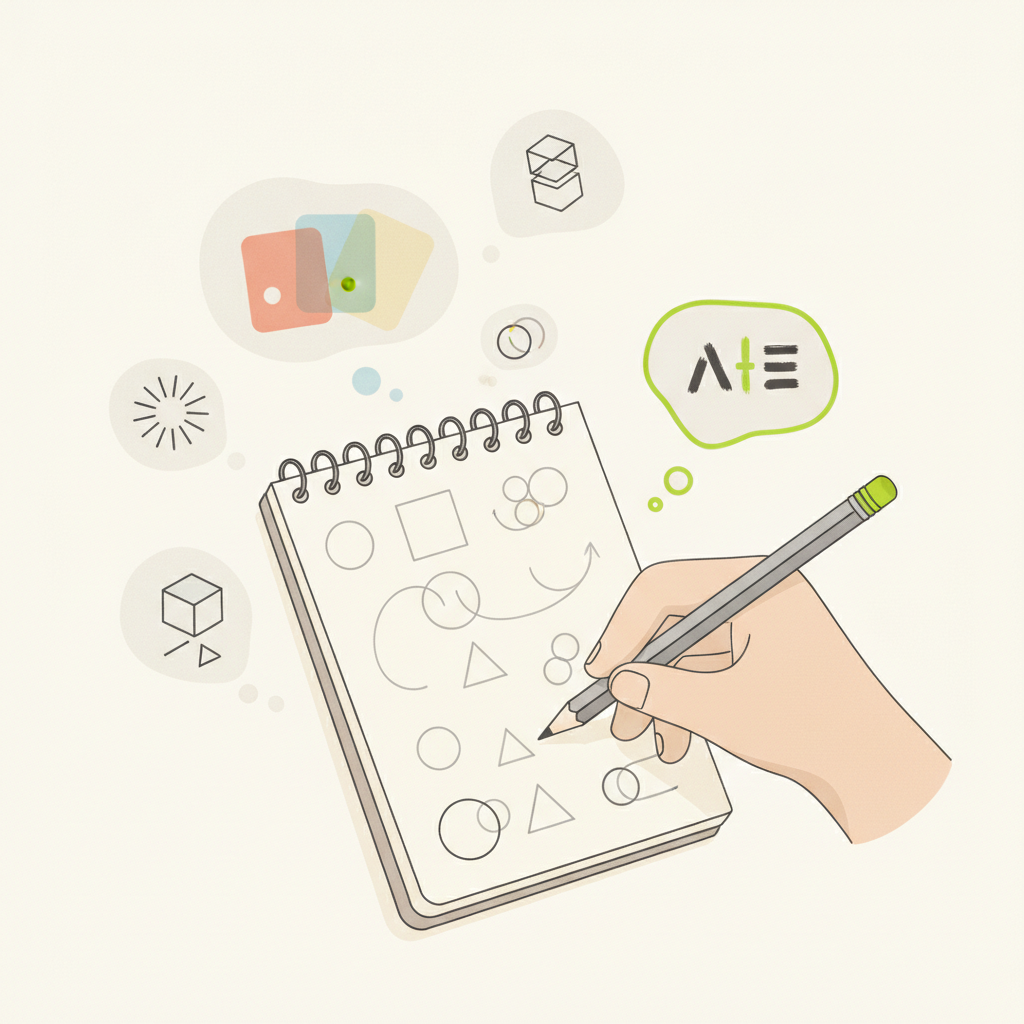
Don't jump straight to digital tools. Grab a pen and paper and sketch out as many ideas as possible. This frees you from the constraints of software and allows for raw creativity. Explore different styles, layouts, and icon concepts.
3. Digital Design and Refinement
Once you have a few strong concepts, it's time to bring them to life digitally. If you have design skills, software like Adobe Illustrator or Affinity Designer are industry standards. If not, don't worry – there are excellent, accessible options.
- AI Logo Makers: Tools like Lumance's AI logo maker are specifically designed for small business owners without design experience. You input your business name, industry, and preferences, and the AI generates a range of professional logo options. This is a fast and cost-effective way to get high-quality results.
- Freelance Designers: Platforms like Upwork or Fiverr connect you with professional designers, though this typically involves a higher budget and more back-and-forth.
When refining your chosen design:
- Test for Versatility: Check how the logo looks in different sizes (small favicon, large banner), in black and white, and on various backgrounds. Ensure it remains clear and impactful.
- Get Feedback: Ask trusted friends, family, or potential customers for their honest opinions. Do they understand what your brand is about? Is it memorable?
- Consider a Tagline: If appropriate, a short, punchy tagline can be incorporated into your logo (usually below the main mark) to further explain your business.
4. Finalize and Implement
Once your logo is perfect, ensure you have it in various file formats:
- Vector files (SVG, AI, EPS): Essential for scalability without losing quality. Your designer or AI tool should provide these.
- Raster files (PNG, JPG): For web use, social media, and general digital applications. PNGs are great for transparent backgrounds.
Use your new logo consistently across all your brand touchpoints: your e-commerce store, social media profiles, email marketing, business cards (if applicable), and any other marketing materials. Consistency builds recognition and trust.
Conclusion
A well-designed logo is an invaluable asset for any dropshipping business. It's not just a symbol; it's a promise, a personality, and a powerful tool for differentiation in a crowded market. By carefully considering your niche, applying core design principles, and leveraging the right tools, you can create a logo that truly elevates your brand.
Ready to bring your dropshipping brand to life? Explore professional logo designs quickly and easily with Lumance.