AI Logo Makers vs. Traditional Design: An Honest Comparison
Deciding how to get your business logo is a big step. This article offers an honest comparison between AI logo makers and traditional graphic designers, helping you choose the right path for your bran
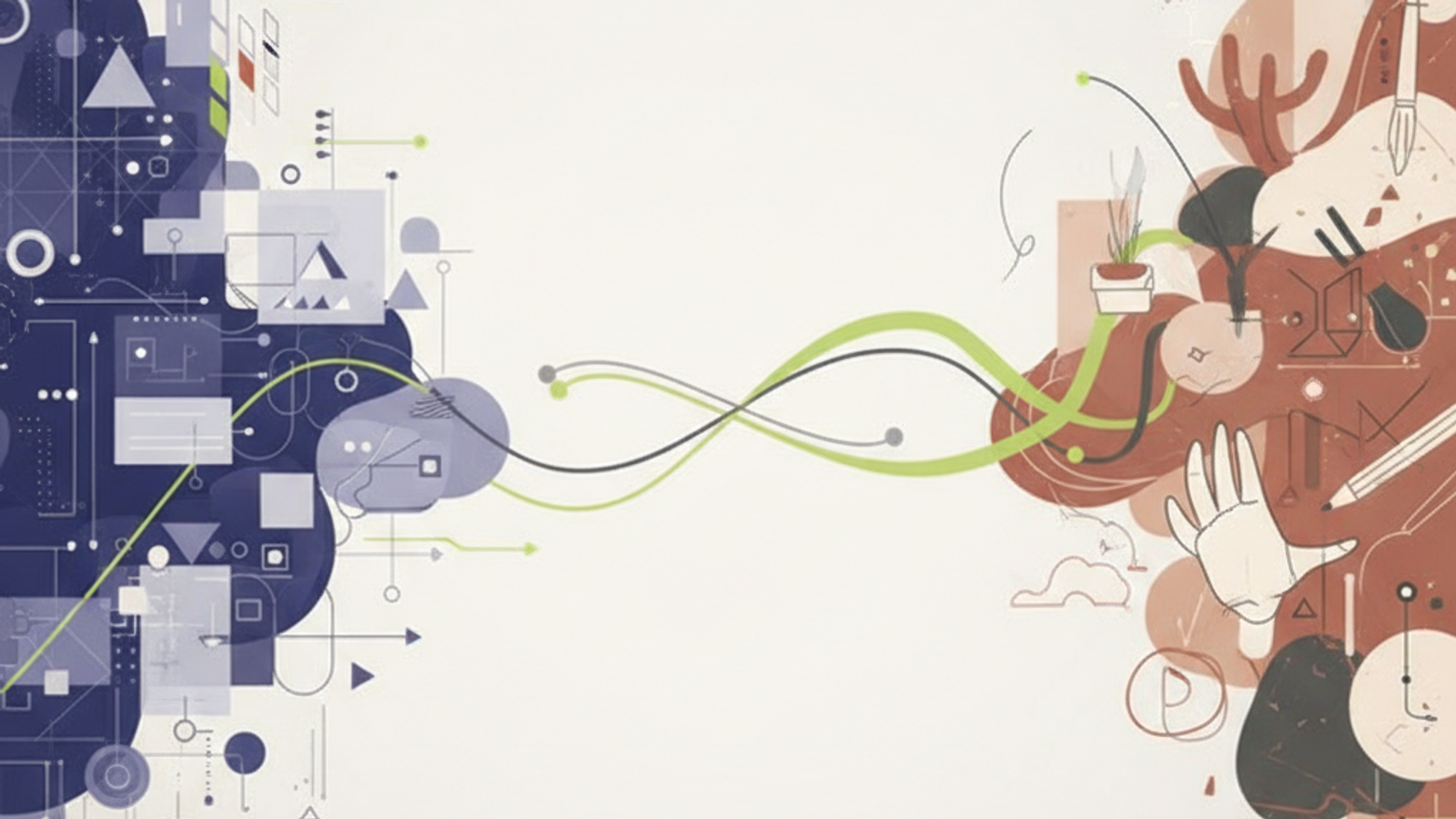
Launching a business means making countless decisions, and one of the most visible is your logo. It's the face of your brand, a compact visual representation of what you stand for. For small business owners and founders, the path to getting a logo often narrows down to two main options: working with a traditional graphic designer or leveraging the speed and accessibility of an AI logo maker.
Both approaches have distinct advantages and disadvantages. Understanding these differences is crucial for making an informed choice that aligns with your budget, timeline, and branding goals. This article provides an honest, in-depth comparison to help you navigate this important decision.
What is Traditional Logo Design?
Traditional logo design involves hiring a professional graphic designer or a design agency. This process is typically collaborative and iterative, focusing on a deep understanding of your brand's vision, values, and target audience.
The Traditional Process
- Discovery & Briefing: You'll meet with the designer to discuss your business, goals, target market, brand personality, and any specific ideas or preferences you have. The designer will often provide a detailed questionnaire or conduct an interview to gather comprehensive information.
- Research & Conceptualization: The designer researches your industry, competitors, and design trends. They then develop multiple preliminary concepts, often presented as sketches or mood boards.
- Design & Refinement: Based on your feedback, the designer develops one or more chosen concepts into refined digital drafts. This stage involves selecting typography, color palettes, and refining the visual elements.
- Revisions & Finalization: You provide feedback, and the designer makes revisions until you are satisfied. The final approved logo is then delivered in various file formats suitable for web, print, and other applications, along with a brand guide if requested.
Pros of Traditional Design
- Deep Customization & Originality: A human designer can create truly unique, bespoke designs that perfectly embody your brand's nuances and stand out from the crowd. They can adapt to complex ideas and abstract concepts.
- Strategic Brand Integration: Designers often act as brand strategists, ensuring the logo aligns with your overall business strategy and communicates the right message to your target audience.
- Human Touch & Empathy: A designer can understand subjective feedback, interpret your vision, and bring a level of emotional intelligence to the creative process that AI currently cannot.
- Comprehensive Brand Assets: Beyond the logo, a designer can help develop a full brand identity system, including color palettes, typography guidelines, and usage rules.
Cons of Traditional Design
- Higher Cost: Professional design services come with a significant investment, often ranging from hundreds to thousands of dollars, depending on the designer's experience and the project's scope.
- Longer Timeline: The collaborative and iterative nature of traditional design means the process can take weeks or even months to complete.
- Communication Overhead: Requires active participation and clear communication from both parties to ensure the desired outcome.
What is an AI Logo Maker?
AI logo makers are online platforms that use artificial intelligence algorithms to generate logo designs based on user input. These tools aim to democratize design, making it accessible and affordable for everyone.
The AI Logo Maker Process
- Input & Preferences: You start by entering your company name, industry, and perhaps a slogan. You then select preferences for styles, colors, symbols, and fonts from a predefined set of options.
- AI Generation: The AI algorithm processes your input and generates a multitude of logo options almost instantly.
- Customization & Refinement: You browse the generated logos and can further customize chosen designs by adjusting colors, fonts, layouts, and sometimes adding or removing elements. Some platforms allow for more extensive editing than others.
- Download & Purchase: Once satisfied, you purchase and download the logo files in various formats, ready for use.
Pros of AI Logo Makers
- Speed & Instant Results: Logos can be generated and customized in minutes, making it ideal for those needing a logo quickly.
- Cost-Effectiveness: Often significantly cheaper than hiring a designer, with many offering free trials or one-time purchase options for final files.
- Accessibility & Ease of Use: Requires no design experience. The intuitive interfaces guide users through the process.
- Iteration & Exploration: You can generate and experiment with countless variations and styles without additional cost or time.
- Ideal for Testing: Great for creating temporary logos for MVPs, side projects, or for exploring different visual directions before committing to a final brand identity.
Cons of AI Logo Makers
- Limited Originality & Uniqueness: Designs can sometimes feel generic or templated, as they are often based on existing patterns and algorithms. It's harder to achieve a truly unique, memorable mark.
- Less Strategic Depth: AI tools don't understand your business strategy, brand narrative, or target audience on a deep conceptual level, leading to logos that might lack strategic resonance.
- Limited Customization: While you can adjust elements, you're usually confined to the tool's predefined options and templates, limiting complex or highly specific design requests.
- No Human Insight: Lacks the interpretive skill and creative problem-solving of a human designer who can translate abstract ideas into visual form.
Key Comparison Points
Let's break down the core differences across several critical aspects:
Cost
- Traditional Design: Generally ranges from $500 to $5,000+, depending on the designer's experience, location, and the project's complexity. A comprehensive brand identity package will be on the higher end.
- AI Logo Maker: Typically ranges from $0 (for basic previews) to $50-$200 for high-resolution files and commercial use rights. Some offer subscription models for ongoing access and features.
Time Investment
- Traditional Design: Can take anywhere from 2 weeks to 2 months or more, factoring in discovery, design phases, and revisions.
- AI Logo Maker: Logos can be generated and finalized in minutes to a few hours, depending on how much customization you do.
Originality & Uniqueness
- Traditional Design: Offers the highest potential for unique, bespoke, and memorable designs that stand out in the market.
- AI Logo Maker: While designs can be visually appealing, they may sometimes lack a truly distinct character, potentially leading to logos that feel similar to others generated by the same platform.
Strategic Depth & Brand Storytelling
- Traditional Design: A good designer invests time to understand your brand's core message, values, and target audience, translating these into a logo that tells a story and resonates strategically.
- AI Logo Maker: Generates designs based on keywords and aesthetic preferences. It lacks the capacity for deep strategic understanding or nuanced brand storytelling.
Customization & Flexibility
- Traditional Design: Offers unlimited customization possibilities. Designers can create anything you envision and adapt to complex requirements.
- AI Logo Maker: Customization is limited to the platform's features and available assets. While some allow for robust editing, they won't match the freedom of a human designer.
Skill Level Required
- Traditional Design: Requires no design skills from the business owner, only clear communication of their vision.
- AI Logo Maker: Requires no design skills either, as the interface is designed for intuitive use. However, a basic understanding of aesthetics can help you make better choices during customization.
When to Choose Which
Choose an AI Logo Maker if:
- You're a startup or small business with a limited budget: AI tools offer a professional-looking logo without breaking the bank.
- You need a logo quickly: For MVPs, side projects, or tight deadlines, AI is unbeatable for speed.
- You want to experiment with ideas: It's a great way to explore different visual directions before committing to a final design or investing in a designer.
- Your brand is straightforward: If your brand identity is relatively simple and doesn't require highly complex or abstract symbolism.
- You're testing a concept: Get a functional logo for market testing without a major upfront investment.
Choose a Traditional Designer if:
- You need a truly unique and memorable brand identity: For businesses aiming for high impact and differentiation.
- Your budget allows for a significant investment: You understand the value of a bespoke, strategically crafted logo.
- Your brand has a complex story or niche market: A designer can translate nuanced messaging into visual form.
- You require a comprehensive brand guide: Beyond the logo, you need a full visual identity system.
- You want a collaborative, human-led creative process: You value working closely with an expert to bring your vision to life.
The Hybrid Approach
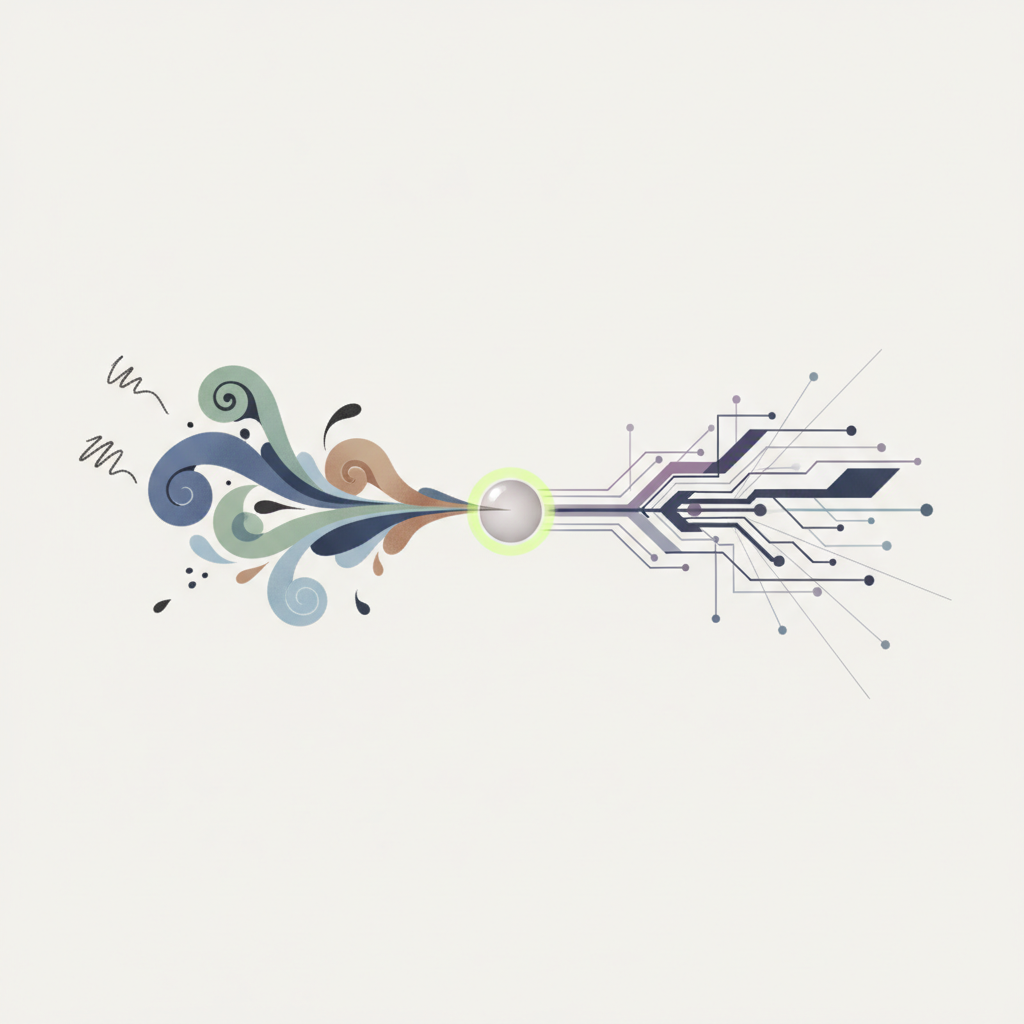
It's also worth considering a hybrid approach. You could use an AI logo maker like Lumance to quickly generate initial concepts and explore different styles. This can be a fantastic way to clarify your preferences and gather inspiration without incurring significant costs. Then, if you decide you need a truly custom, deeply strategic logo, you can take these AI-generated ideas to a traditional designer as a starting point. This can streamline the designer's process and potentially reduce overall costs by cutting down on early conceptualization time.
Making Your Choice
Ultimately, the best choice depends on your specific circumstances. For many small businesses and startups, an AI logo maker offers an incredibly efficient and affordable way to get a professional-looking logo quickly. It empowers founders to take control of their initial branding without a steep learning curve or a large financial outlay. If your priority is speed, cost-effectiveness, and the ability to iterate rapidly, an AI logo maker is a powerful tool to consider.
Ready to explore what an AI logo maker can do for your brand? Try Lumance's AI logo maker and discover professional designs generated in seconds.